
Coming in 2027: Laser skin resurfacing.
Once active breakouts are under control, many patients find the acne is gone but the marks aren't — dark spots, uneven tone, and texture that didn't come back to baseline. Laser resurfacing is the second step in the Clarity lifecycle: it works on what acne leaves behind.
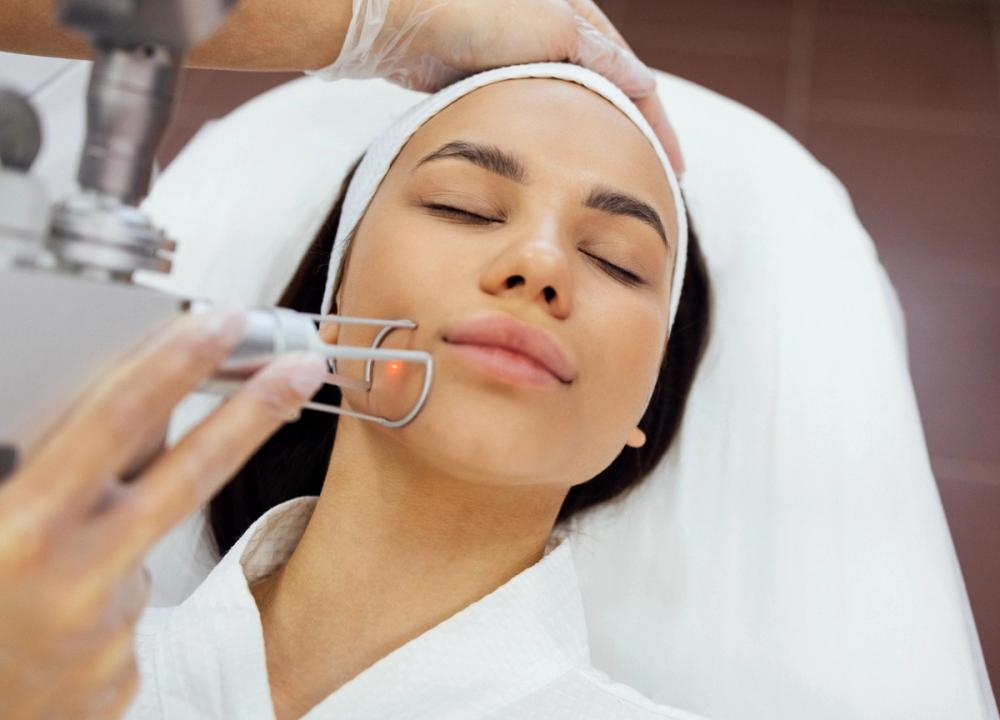
Fades pigment. Softens scars. Smooths texture.
Post-acne marks (PIH)
Flat brown or tan spots left after a breakout heals. These are pigment, not scars. Resurfacing helps them fade gradually over time.
Atrophic acne scars
The depressed scars acne can leave — rolling, boxcar, and ice-pick. Resurfacing can soften their appearance. The goal is softer and smoother, not necessarily scar-free, with shallow scars improving the very best.
Overall texture & tone
Rough patches, enlarged-looking pores, and the unevenness left after years of breakouts. Resurfacing stimulates fresh collagen beneath the skin, bringing smoothing texture to the surface.
Your skin does the rebuilding.
Resurfacing works by creating controlled micro-injury in the skin in a precise pattern. That sounds counterintuitive, so here’s the logic: those tiny, controlled points prompt your skin’s natural repair response.
New collagen forms and the surface renews, while the untreated skin around each point speeds healing. Over a series of sessions, that remodeling is what improves marks, scars, and texture.
What to expect — including downtime.
Resurfacing is a more involved treatment than AviClear®, and the recovery is part of the plan, not a surprise.
Consultation & readiness check
At your starting visit ($89), we confirm your active acne is settled enough to begin, review your skin, take baseline photos, and talk through realistic outcomes for your specific marks or scars.
The treatment
We prepare the skin, often with a numbing step, then treat the area. Sessions are focused and your provider will explain each step as it happens.
Recovery — plan for it
Expect redness, warmth, and some peeling or flaking in the days after, similar to a sunburn that settles down. Strict sun protection during healing is non-negotiable.
This is a multi-session arc, not a single visit.
Resurfacing is planned as a series, usually spaced several weeks apart so your skin fully recovers between sessions. Just as important: the collagen remodeling underneath continues working for months. Many patients see their fullest result around six months after their final session — not the day after treatment.
Your provider will map your session count and spacing to your skin and goals. Individual results and recovery vary.
Right treatment, right time.
Resurfacing isn’t the first move for active acne — treating skin that’s still actively breaking out can irritate it and waste your time and money. The clear guidance:
Still breaking out?
If you’re breaking out regularly, the priority is calming active acne first, usually with AviClear®. Resurfacing comes after.
Acne under control?
If your active acne is settled and what’s left is marks, discoloration, or texture, you’re likely ready to talk about resurfacing.
Somewhere in between?
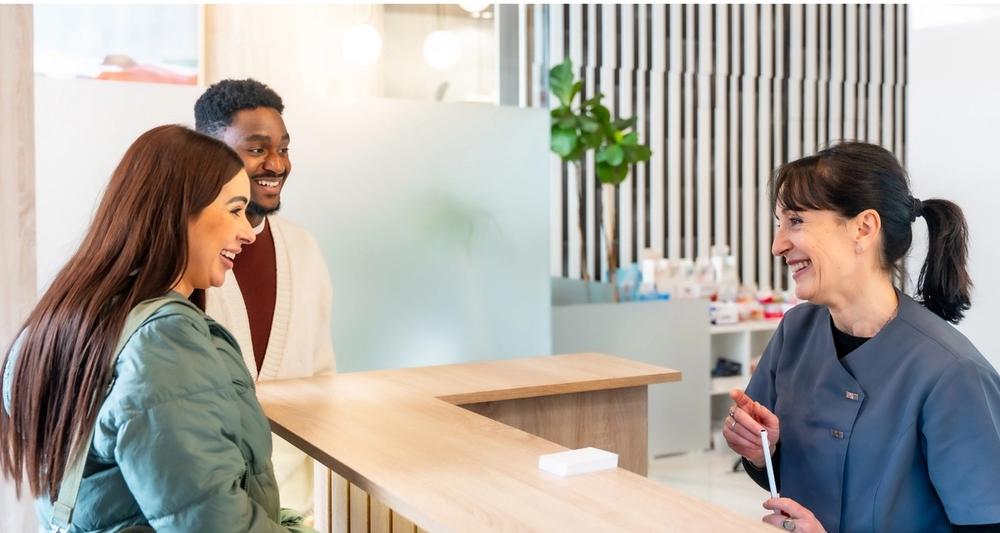
That’s exactly what the consultation is for — we’ll tell you exactly where your skin is and what to do first. And if your scarring calls for a different specialist, we’ll say so.
Ready to work on what acne left behind?
Start with a visit. We'll confirm your skin is ready, map a realistic plan, and tell you plainly what resurfacing can and can't do for your marks and scars.